
Established Property Investment Australia
Established residential property includes existing houses, townhouses, apartments and other completed dwellings with a history that may provide additional information for research. That history does not make an individual property automatically suitable — its condition, location, price, demand, supply and risks still need to be understood.
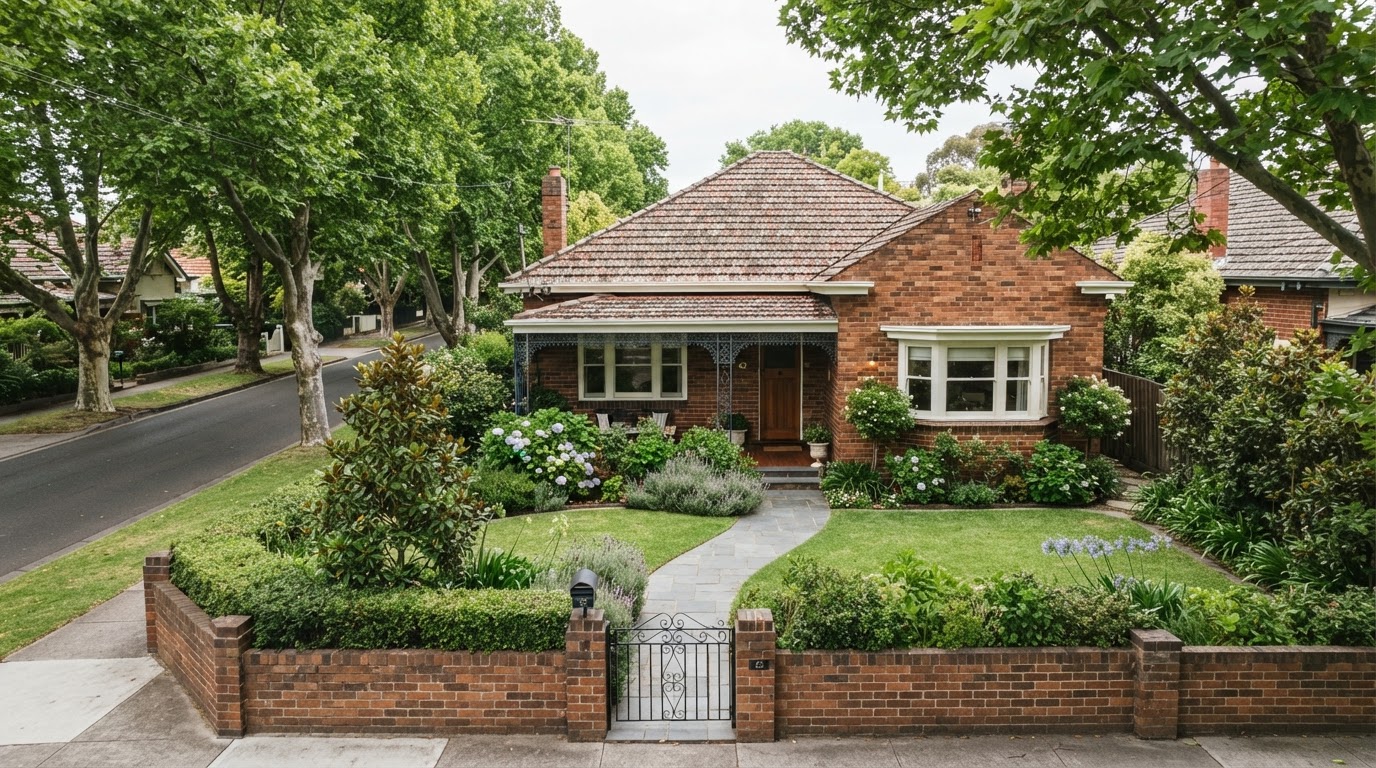
What Is an Established Property?
An established residential property is an existing dwelling that has already been completed and may have previously been occupied, owned, rented or sold. Depending on the property, this may include detached houses, townhouses, villas, apartments or units.
"Established" describes the property's existing history. It does not automatically describe quality, investment suitability, value, rental performance or future growth. This page does not pretend that "established property" has one universal legal or taxation definition — definitions may vary depending on context.
Established property is an existing property with history that may provide useful research information. It is not a better, safer or lower-risk investment by definition.
What Types of Established Property Are There?
Established residential property is not one uniform category. The types below can have different ownership arrangements, land components, strata arrangements, maintenance, tenant markets, management requirements and risks. They should not be described as interchangeable, and no one type is presented as superior.
Detached houses
Existing free-standing homes, where research may focus on condition, land component, location fundamentals, previous sales and comparable evidence.
Townhouses
Existing attached dwellings, where research may consider strata or community title arrangements, shared walls and local tenant demand.
Villas
Single-storey attached or detached dwellings, often within a small-group or community-title arrangement, with their own maintenance and ownership considerations.
Apartments / units
Existing flats within a shared building, where matters may include strata or body corporate, common property, building condition, local apartment supply and ongoing costs.
One Potential Advantage: You Can Assess the Existing Property
With an existing completed dwelling, a buyer may generally have the opportunity to inspect the actual property before purchase. Potential research may involve visible condition, layout, surrounding property, the street, neighbouring development, signs of maintenance and the physical configuration.
However, inspection does not eliminate hidden defects or future risks. A physical walkthrough is useful information, not a guarantee of condition.
Property History Can Provide Information
An established property may have some historical information available, such as previous sales, previous listings, rental history, maintenance records, renovations and tenancy history where available.
Not every established property has complete or reliable records. Historical evidence should be verified rather than assumed.
Property Condition
Research may consider structure, roof, plumbing, electrical systems, fixtures, appliances, drainage, moisture, pest issues, previous repairs, renovations and general wear. Condition is one of the most important factors to understand with an existing property.
This page does not provide building-inspection advice. Where condition is a consideration, appropriately qualified building or inspection professionals should be engaged to assess the specific property. For a practical due-diligence checklist covering these areas, see What to Check Before Buying an Established Investment Property.
Established Does Not Mean Poor Condition
Age does not equal condition. An older property may have been maintained, renovated or upgraded, while a newer property can also contain defects. The individual building should be assessed on its own merits rather than its age alone.
Maintenance and Repairs
An existing property may have components at different stages of their useful life. Potential issues may include maintenance, replacement, repairs and upgrades. Some elements may already have been renewed; others may be approaching the end of their service life.
This page does not assume established property automatically has high maintenance costs and does not invent repair budgets.
Renovations and Alterations
Established properties may have previous extensions, renovations, structural changes or additions. Research may include understanding what work was completed, available approvals, workmanship and property condition.
This page does not provide legal, building or planning advice, and does not assume previous work was approved. Where previous alterations are uncertain, appropriately qualified professionals should be consulted.
Renovation Potential
Some established properties may allow future changes subject to property characteristics, building condition, planning, approvals, cost and feasibility. Whether renovation is sensible depends on the individual property and the investor's circumstances.
This page does not present renovation as guaranteed value creation and never claims that "renovating creates instant equity."
Location and Existing Amenities
Established properties are often located within areas where existing transport, services, shops, schools, employment and neighbourhood characteristics can already be observed. That visibility can be useful for research.
However, this page does not claim that established areas automatically have better infrastructure. Existing amenities are information, not an investment outcome. For a broader view, see Property Investment Locations Australia.
Existing Infrastructure vs Future Infrastructure
One useful research distinction: existing areas may allow someone to see what infrastructure already exists, while future infrastructure still requires verification. The status of each project matters.
This page never implies infrastructure is guaranteed unless verified. For more, see How Infrastructure and Employment Can Affect Property Markets.
Rental History
An established rental property may potentially have evidence of previous rent, tenancy history, vacancy periods and property-management history where records are available.
However, historical rent does not guarantee future rent, future occupancy or rental growth. Previous rent should not be presented as guaranteed future income.
Rental Yield
Rental yield is one measure only. If historical or current rental figures are used, they must be accurate and contextual. A high yield alone does not make a property good, and this page does not label a property as better simply because of a yield figure.
To understand how rental figures relate to property value, see How Rental Yield Is Calculated on an Investment Property.
Tenant Demand
Actual demand depends on location, property type, household demographics, affordability, employment, transport, competing rentals and property configuration. This page does not assume established property has stronger tenant demand than any other category.
Housing Supply
An established suburb can still experience new housing supply through redevelopment, apartments, subdivisions, infill development, rezoning and nearby estates. "Established" does not mean housing supply is fixed.
Both current and future supply should be researched. A growing area can experience both more demand and more supply, and this page does not assume one automatically dominates the other.
Comparable Sales
Established property may have existing comparable sales within the surrounding market. However, comparable sales need careful interpretation because properties differ in condition, land, location, layout, age, renovation, title and property type.
This page does not provide valuation advice.
Price Is Not the Same as Value
The asking price or contract price does not automatically prove market value. Research may consider relevant comparable sales, individual property characteristics, condition, location and market evidence.
This page does not tell readers what price to pay.
Land Component
Some established detached homes may include a meaningful land component. However, this page does not claim that established property always has more land, or that more land automatically means stronger capital growth. Individual properties vary substantially.
Established Apartments and Units
Established apartments and units form one segment of established residential property. Potential considerations may include building condition, strata or body corporate, common property, maintenance, building management, local apartment supply and tenant demand.
This section is kept brief because a dedicated Apartment Property Investment page may exist. Apartments are discussed here only as one form of established residential property, not as a substitute for that dedicated page.
Strata and Body Corporate Considerations
For applicable properties, someone may need to investigate strata records, levies, common property, maintenance, building works and building management. These arrangements can materially affect ongoing costs and risks.
This page does not provide legal or strata advice and does not invent levies. Appropriately qualified professionals should be consulted where strata matters are relevant.
Finance and Valuation
Lending or valuation may consider property type, property condition, location, valuation, borrower circumstances and lender policy.
This page does not claim established property is easier to finance, does not recommend lenders, and does not predict valuations.
Tax Considerations
Property age, previous ownership, renovations and expenditure can affect taxation treatment. However, this page does not calculate depreciation, tax deductions, capital gains tax or tax savings, and does not claim that established property provides better tax outcomes.
Tax questions should be referred to appropriately qualified tax professionals.
New vs Established Property
New and established property have different characteristics. Neither category automatically determines suitability, rental performance, capital growth or risk. The full comparison is covered separately and is not duplicated here.
Established Property vs New Residential Property
For the counterpart perspective on newly constructed dwellings, see the New Residential Property Investment Australia page. The full comparison is not repeated here.
Location Still Matters
An established dwelling does not compensate automatically for weak location fundamentals. Relevant location research may include employment, infrastructure, demographics, housing supply, rental demand, transport, services, affordability, development and local risks.
See Property Investment Locations Australia, What Makes a Location Suitable for Property Investment? and How to Research an Australian Suburb for Property Investment.
Questions to Investigate Before Considering an Established Property
The following questions are for research only and do not form a scoring system or a buy/no-buy decision tool.
Property
- What is the current condition?
- What maintenance has been completed?
- What repairs may be required?
- Have renovations occurred?
- Are relevant approvals available?
History
- What previous sales information exists?
- What rental history exists?
- What records are available?
Location
- What is the local tenant market?
- What housing supply exists?
- What new development is occurring?
- What employment and infrastructure exist?
Financial / Professional
- What rental information is actual?
- What costs apply?
- What valuation evidence exists?
- Which building, legal, tax or lending matters require qualified advice?
Potential Advantages and Issues at a Glance
A balanced view of factors that may provide information and the issues that still require investigation. No winner, recommendation or investment score is implied.
| Factor | Potential Information / Characteristic | Issue to Investigate |
|---|---|---|
| Physical condition | An existing dwelling can usually be inspected, allowing visible condition, layout and signs of maintenance to be observed. | Inspection does not eliminate hidden defects or future risks; qualified professionals may be needed. |
| Property history | Previous sales, listings, renovations and ownership records may be available where records exist. | Not every property has complete or reliable records; historical evidence should be verified. |
| Rental history | An established rental property may have previous rent, tenancy and vacancy records. | Historical rent does not guarantee future rent, occupancy or rental growth. |
| Location | Established areas often allow existing transport, services, shops, schools and employment to be observed. | Existing amenities do not automatically make a location stronger; fundamentals still need assessment. |
| Maintenance | Components may be at different stages of their useful life, with some already replaced or upgraded. | Age does not equal condition; repair and replacement needs vary and should not be assumed. |
| Renovations | Previous extensions, alterations or additions may have occurred and may be partially documented. | Previous work should not be assumed to be approved; planning and building advice may be required. |
| Housing supply | An established suburb may have a known existing stock of dwellings. | Supply is not fixed — redevelopment, infill, subdivisions and nearby estates can add new supply. |
| Comparable sales | Existing comparable sales within the surrounding market may provide market evidence. | Comparables need careful interpretation; properties differ in condition, land, layout and title. |
| Strata where relevant | For apartments and some townhouses, strata records, levies and building works may be available. | Strata arrangements and costs vary; this page does not provide legal or strata advice. |
| Resale | An established property already has a resale history and market context. | Future resale depends on location, condition, demand, supply and market conditions; not forecast here. |
Is Established Property a Good Investment?
There is no universal answer. Established property describes an existing dwelling and its history, not an investment outcome. Whether an individual property warrants further investigation depends on the investor, property condition, price, location, housing supply, tenant demand, ongoing costs and risks.
This page does not hide a recommendation inside the answer. It remains genuinely neutral.
Barry Ison's Approach
Barry does not begin with "established property is better" or "new property is better." He begins by understanding the investor. Then property and location research follows.
Barry has more than 40 years of Australian property-industry experience. His research may consider the investor, property condition, property type, location, price, housing supply, tenant demand, employment, infrastructure, management and risks.
Barry does not always recommend established property, does not prefer it universally, does not guarantee returns, does not guarantee rent, and does not predict capital growth. For more on how Barry works with investors, see the Property Investment Services page.
A Deeper Educational Resource
Barry explores Australian property markets, different property types, new vs established property, location research and the questions worth asking in The Diamonds of Australian Real Estate, drawing on more than 40 years of property experience.
The book is broader education. It is not positioned as recommending established property.
Research the Individual Property, Not Just Its Age
An established property can provide useful information about its condition, location and history, but those characteristics still need to be considered within the investor's broader circumstances.
Frequently Asked Questions
Common questions Australians search about established property investment.
General Information Disclaimer: This information is provided for general educational and informational purposes only. It does not take into account your personal objectives, financial position or needs and does not constitute financial, investment, taxation, legal, lending, building or property advice. Established properties vary significantly in condition, maintenance requirements, history, location, rental demand, costs and risks. Property investment involves risk and market conditions can change. Consider obtaining independent advice from appropriately qualified professionals before making financial, legal, taxation, lending, building or property decisions. Historical examples and past performance are not indicative of future results.
