
What to Check Before Buying an Established Investment Property
"Established property may provide existing information about condition, sales history, rental history and neighbourhood, but that history needs to be investigated rather than assumed."
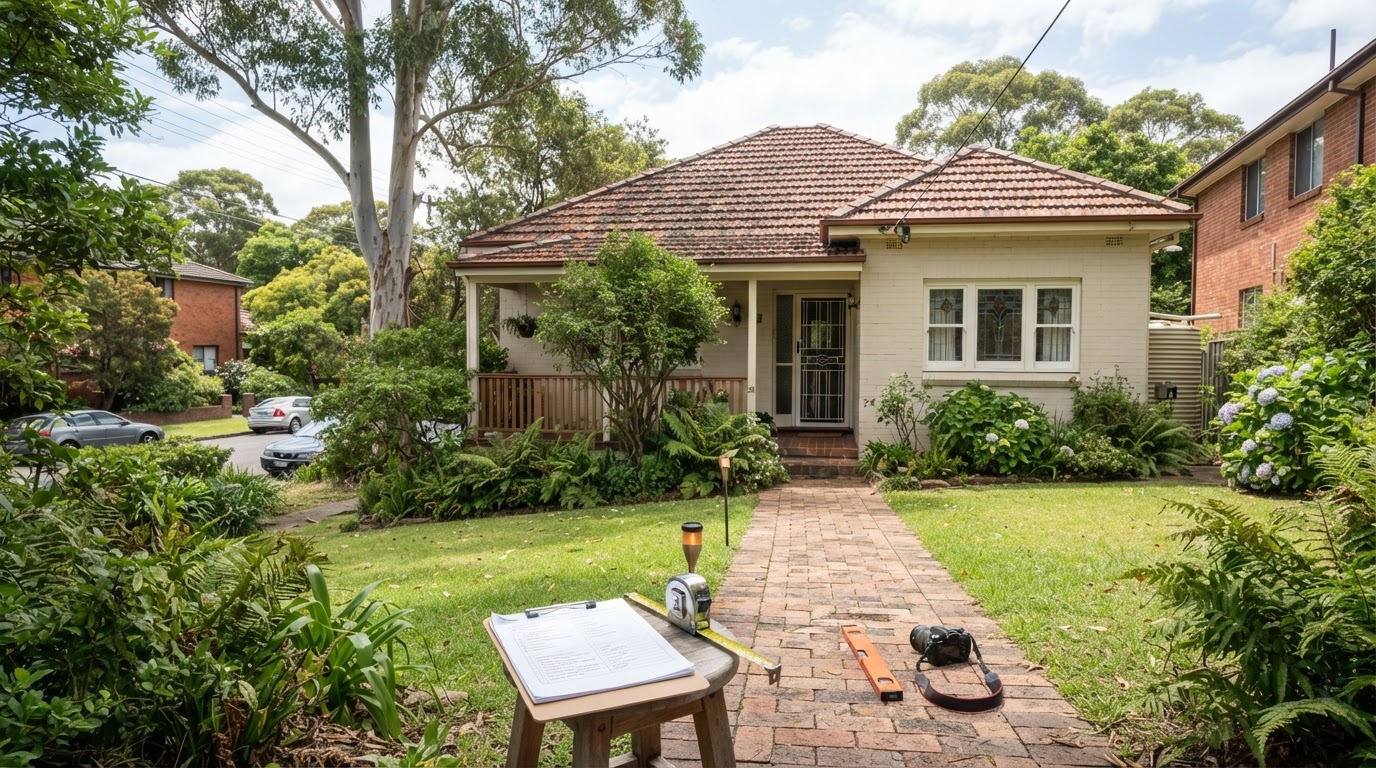
Executive Summary & Context
Established property may provide existing information about condition, sales history, rental history, neighbourhood and surrounding development that is not always available for a newly completed dwelling. That history can be useful for research, but it needs to be investigated rather than assumed. An existing property is not automatically safer, better value, better located or lower risk simply because it has a history. This article is a practical due-diligence checklist for established investment property. It is educational general information only and does not provide building inspection, legal, tax or financial advice. Where relevant, appropriately qualified professionals should be engaged. For a broader look at existing dwellings as a property type, see Barry's Established Property Investment Australia page.
1. Physical Condition
An established property may have visible wear, older components, previous repairs and a maintenance history. High-level considerations may include general condition, roof, walls, drainage, moisture, fixtures and visible deterioration. This article does not provide DIY inspection instructions, and visible condition does not eliminate the possibility of hidden defects. A general visual assessment is not a substitute for an independent professional inspection where one is warranted.
- General condition and visible wear
- Roof, walls and external structures
- Drainage and moisture indicators
- Fixtures and visible deterioration
2. Independent Building and Pest Assessment
Because an established property has a history, qualified independent assessment may be appropriate. A professional building and pest inspection may identify matters not visible during a general walk-through, such as structural issues, pest activity, concealed defects or safety concerns. This article does not instruct readers how to conduct an inspection, nor does it recommend a particular inspector. The decision to engage a qualified professional should be made with reference to the individual property and the buyer's circumstances.
- Qualified independent building inspection where appropriate
- Pest assessment where relevant
- Matters not visible during a general walk-through
- This article does not recommend a particular inspector
3. Previous Renovations and Extensions
Established properties may have previous extensions, renovations, structural changes or additions. Research may include understanding what work was completed, whether approvals are available, the quality of workmanship and the property's current condition. This article does not provide legal, building or planning advice, and previous work should not be assumed to have been approved. Unapproved or poorly executed work can create risks that may not be obvious from a visual inspection alone.
- What renovations or extensions have occurred
- Whether relevant approvals are available
- Quality of workmanship and documentation
- Previous work should not be assumed to be approved
4. Maintenance History
An existing property may have components at different stages of their useful life. Where records are available, research may consider repairs, replacements, ongoing issues and the general pattern of maintenance. However, not every established property has complete or reliable records, and the absence of records does not automatically mean the property is in poor condition. Maintenance history should be considered alongside an independent assessment of the building's current state.
- Repairs and replacements where documented
- Ongoing or recurring issues
- Availability and reliability of records
- Absence of records does not prove poor condition
5. Rental History
An established rental property may have evidence of previous rent, tenancy history, vacancy periods and property-management history where records are available. This can provide useful context, but historical rent does not guarantee future rent, future occupancy or rental growth. Previous rent should not be treated as guaranteed future income. To understand how rental figures relate to property value, see Barry's guide on how rental yield is calculated.
- Previous rent where records exist
- Tenancy and vacancy history where available
- Property-management records where accessible
- Historical rent does not guarantee future rent
6. Previous Sales and Comparable Properties
Established property may have existing comparable sales within the surrounding market, which can provide useful context. However, comparable sales need careful interpretation because properties differ in condition, land, location, layout, age, renovation, title and property type. This article does not provide valuation advice and does not tell readers what price to pay. Comparable sales are one form of evidence, not a definitive measure of value.
- Previous sales history for the property
- Comparable sales in the surrounding market
- Differences in condition, land and configuration matter
- This article does not provide valuation advice
7. Housing Supply
Established does not mean housing supply is fixed. An established suburb can still experience new housing supply through infill development, apartments, subdivision, redevelopment and nearby estates. Someone researching a property may consider current supply, competing rentals, planned development and the broader housing pipeline. A growing area can experience both more demand and more supply, and this article does not assume one automatically dominates the other.
- Infill development and subdivision
- Apartments and redevelopment
- Nearby estates and land releases
- Competing rental supply
8. Location Fundamentals
Whether a property is established does not replace location research. Relevant factors may include employment, infrastructure, transport, services, tenant demand and demographics. An established area may allow someone to observe existing amenities, but existing infrastructure does not automatically make a location strong. For practical frameworks on location research, see Barry's guide on Property Investment Locations and the article on how to research an Australian suburb.
- Employment and industry diversity
- Infrastructure and transport
- Services, schools and amenities
- Tenant demand and demographics
9. Future Development Around the Property
Surrounding development can change over time, even in established areas. Someone researching a property may consider nearby planning applications, zoning changes, proposed redevelopment and future construction that could affect the property's characteristics. It is important to distinguish infrastructure and development that is proposed, announced, planned, approved, funded, under construction or completed. Proposed development should not be treated as certain.
- Nearby planning applications and zoning changes
- Proposed redevelopment and future construction
- Verified status of any planned works
- Surrounding development can change over time
10. Title and Strata Where Relevant
For some established properties, title and strata or body corporate considerations may be relevant. Research may involve understanding the title, any strata or community arrangements, common property, levies and building management where applicable. This article does not give legal advice and does not invent levies. The specific title and any strata arrangements should be confirmed for the individual property with appropriately qualified professionals.
- Title type and any encumbrances
- Strata or body corporate arrangements where applicable
- Common property, levies and building management
- This article does not provide legal or strata advice
11. Ongoing Property Costs
Ongoing costs can affect the overall picture of an established property. Conceptual considerations may include maintenance, council rates, insurance, strata levies where applicable and property management. This article does not invent figures, and actual costs vary substantially between properties. Cost estimates should be based on the individual property and verified with the relevant providers or professionals where appropriate.
- Maintenance and repairs
- Council rates and insurance
- Strata levies where applicable
- Property management costs
12. Rental Yield vs Cash Flow
Rental yield is one measure only, and a high yield does not automatically make a property a good investment. Cash flow depends on actual rent, vacancy, expenses, financing and other costs, not just a headline yield figure. Historical or current rental figures, where used, must be accurate and contextual. For a clear explanation of these measures, see Barry's guide on how rental yield is calculated and the article on positive cash flow property.
- Yield is one measure, not a complete picture
- Cash flow depends on rent, vacancy, expenses and financing
- High yield does not automatically mean a better investment
- Rental figures must be accurate and contextual
13. Established Property Research Checklist
The following checklist summarises the areas discussed above. It is a research framework, not a scoring system. It does not produce a numerical investment score, and no number of ticked boxes means a property should be bought. The purpose is to ensure the right questions are asked before any decision is made.
- PROPERTY — condition, defects, renovations, approvals
- HISTORY — sales, rental and maintenance records where available
- SUPPLY — infill, apartments, redevelopment, competing rentals
- LOCATION — employment, infrastructure, transport, demand
- DEVELOPMENT — surrounding planning and future construction
- TITLE / STRATA — title type, levies, common property where relevant
- COSTS — maintenance, rates, insurance, management
- FINANCIAL — yield vs cash flow, valuation evidence
- RISKS — hidden defects, unapproved work, supply, location risks
Does Established Mean Lower Risk?
No. An established property may have existing condition and history that can be researched, but it can still carry maintenance, defect, location, supply and resale risks. The ability to inspect a completed dwelling does not eliminate hidden defects or future risks. Established property is not inherently safer than new property, and the individual building and location should be assessed on their own merits.
Is Established Property Better Than New Property?
There is no universal answer. Established and new property describe different construction and occupation histories, not investment outcomes. Whether an individual property warrants further investigation depends on the property itself, its condition, price, location, supply, demand, risks and the buyer's circumstances. This article does not choose one category over the other. For the full comparison, see the companion article on new property vs established property.
Barry Ison's Approach
Barry does not begin by deciding that established property is better or that new property is better. With more than 40 years of Australian property-industry experience, his approach begins with the investor and then investigates the individual property and location. Relevant factors may include investor circumstances, property condition, property type, location, price, housing supply, tenant demand, employment, infrastructure, management and risks. Barry does not universally prefer established property, does not guarantee returns, does not predict capital growth and does not guarantee rental income. For more on how Barry works with investors, see the Property Investment Services page.
Frequently Asked Questions
Common questions Australian investors ask regarding property investment strategy and market entry.
- Established property may provide useful history, but that history needs to be investigated rather than assumed.
- Age does not equal condition — an older property may be well maintained, and a newer one can have defects.
- Historical rent does not guarantee future rent, occupancy or growth.
- Established does not mean housing supply is fixed — infill, apartments and redevelopment can add supply.
- Independent building and pest assessment may be appropriate where the property's history warrants it.
- This checklist is a research framework, not a scoring system or a buy decision tool.
Summary & Strategic Outlook
Researching an established investment property means looking beyond the fact that it already exists. Condition, independent assessment, renovations, maintenance, rental history, comparable sales, housing supply, location, surrounding development, title or strata, ongoing costs and risks all require separate investigation. The ability to inspect a completed dwelling does not eliminate hidden defects or future risks, and established property is not inherently safer or better value. Barry Ison's approach is to examine the underlying property and location fundamentals before any decision is made. For a broader look at existing dwellings as a property type, explore the Established Property Investment Australia page, and for the full comparison with new property, see new property vs established property. General Information Disclaimer: This article is provided for general educational and informational purposes only. It does not take into account your personal objectives, financial position or needs and does not constitute financial, investment, taxation, legal, lending, building, planning, strata or property advice. Established properties vary significantly in condition, maintenance requirements, history, location, rental demand, costs and risks. Property investment involves risk and market conditions can change. Consider obtaining independent advice from appropriately qualified professionals before making financial, legal, taxation, lending, building or property decisions. Historical examples and past performance are not indicative of future results.

Barry Ison
Property Investment Advisor with over 40 years of hands-on experience guiding Australian investors through property acquisition, growth corridor analysis, negative gearing strategy, and long-term portfolio structuring.
Related Market Insights
What Is Property Investing? An Educational Introduction
A clear educational introduction to what property investing means in Australia — covering how it works, capital growth versus rental income, different property types, location and risk considerations, and why a property label does not determine an investment outcome.
What Is a Dual Key Property? Understanding the Configuration
An educational guide to what a dual key property is in Australia — covering how the configuration works, the single title structure, how it differs from a duplex, potential characteristics, risks to investigate, and why the configuration does not determine investment returns.
7 Things to Compare Before Choosing Between Dual-Key and Duplex Property
A practical comparison of the seven factors worth researching when comparing dual-key and duplex investment property in Australia — configuration, title, privacy, demand, management, location and resale.
Book Your Personal Strategy Session
Speak directly with Barry Ison (40+ years experience) to discuss your financial targets and build a customized property portfolio strategy.
